Inca Trail to Machu Picchu 2027 | Official Tour Operator
Classic Inca Trail 4 Days | Private Trek 2026 - Inca Land Adventures.
We are Official Inca Trail tour operators, Classic Inca Trail 4 day Machupicchu
As official Inca Trail tour operators, Inca Land Adventures provides fully licensed, expertly guided journeys along the legendary Inca Trail to Machu Picchu. With guaranteed Inca Trail permits 2026, we secure your place on Peru’s most iconic trek.
Our programs include the renowned Classic Inca Trail 4 days, the immersive Inca Trail trek 4D/3N, a personalized Private Inca Trail tour, and an exclusive Luxury Inca Trail tour designed for travelers seeking comfort, cultural depth, and premium service. Every itinerary is led by professional guides specializing in Inca history, archaeology, and Andean ecosystems.
Recognized as a best Inca Trail tour operator, we combine breathtaking mountain scenery, authentic cultural encounters, and expertly crafted Machu Picchu hiking tours that deliver an unforgettable trekking experience.
Whether you seek adventure, exclusivity, or a once-in-a-lifetime journey to Machu Picchu, our team ensures safety, authenticity, and exceptional service every step of the way..
Whether you’re looking for the best Inca Trail tour operator or exclusive Peru travel packages, Inca Land Adventures offers a premium trekking experience in Peru that connects you deeply with history, landscapes, and living culture.
Why Travel With Inca Land Adventures?
Official, licensed Inca Trail tour operators
Guaranteed Inca Trail permits
Expert local guides specialized in history and nature
Responsible and sustainable tourism practices
Carefully designed trekking and adventure tours across Peru
Whether you’re planning the Inca Trail to Machu Picchu , searching for Inca Trail permits 2026, or looking for the best Peru adventure tours, Inca Land Adventures delivers an experience that goes far beyond the hike—connecting you deeply with Peru’s history, landscapes, and living culture.
Official Inca Trail Tour Operators
As Official Inca Trail Tour Operators, Inca Land Adventures invites you to experience the legendary Inca Trail — the most iconic trek in South America — leading to the breathtaking citadel of Machu Picchu.
Welcome to Inca Land Adventures
Inca Land Adventures is your official operator to book Inca Trail permit & trek Peru with guaranteed 2026 dates. Choose our Inca Trail Machu Picchu private service for a personalized journey, or join a small group Inca Trail experience with like-minded travelers. From the Classic Inca Trail 4 days to luxury options, we secure your Inca Trail permits 2026 so you can focus on the adventure.

Our expertly designed Inca Trail tours blend history, nature, and authentic cultural encounters across the Andes. With guaranteed Inca Trail permits 2026, licensed local guides, and sustainable practices, we deliver a seamless and meaningful trekking experience.
Whether you choose the Classic Inca Trail 4 days tours , a Luxury Inca Trail tour Peru, or a fully Private Inca Trail tour operators, every journey is crafted for travelers seeking connection — not just a hike. From exclusive Machu Picchu hiking tours to high-end Alternative Peru trekking tours and personalized Cusco adventure tours and treks, we specialize in boutique, tailor-made Peru travel packages.
Looking for the best Inca Trail tour operator Peru? Our premium trekking experiences, private Machu Picchu guide services, and VIP Machu Picchu tours redefine what it means to explore Peru in style.
Discover more than a destination — discover yourself on a journey where ancient paths meet extraordinary adventure.
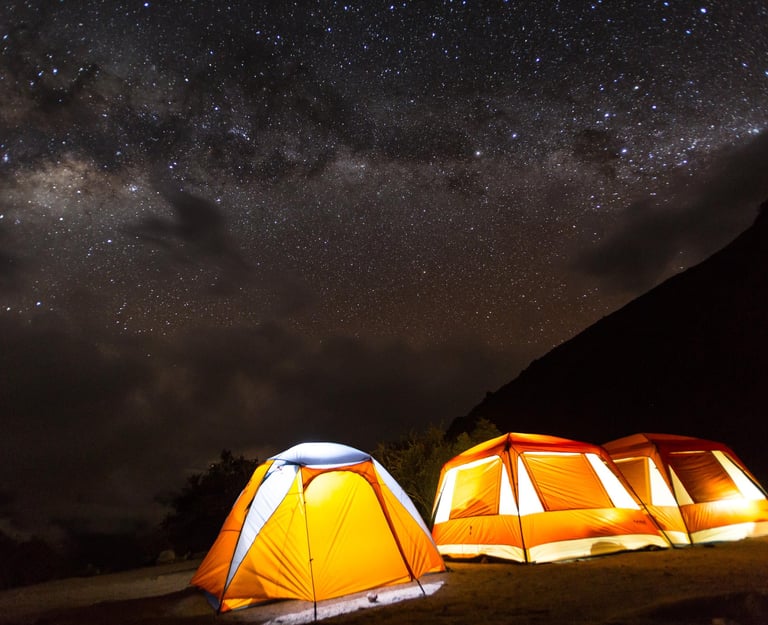
Choosing the right operator defines your entire Peru experience. At Inca Land Adventures, we deliver more than trips — we create meaningful journeys across the Andes, combining culture, history, birdwatching, and authentic adventure into one seamless experience.
As the best Inca Trail tour operator for 2025 and 2026, we provide guaranteed Inca Trail permits, ensuring secure access to the legendary Inca Trail to Machu Picchu trek — one of the world’s most iconic Peru hiking tours. Our expert local guides specialize in history, nature, and high‑altitude trekking, offering immersive Inca Trail tours, Machu Picchu hiking tours, and unforgettable Peru trekking experiences.
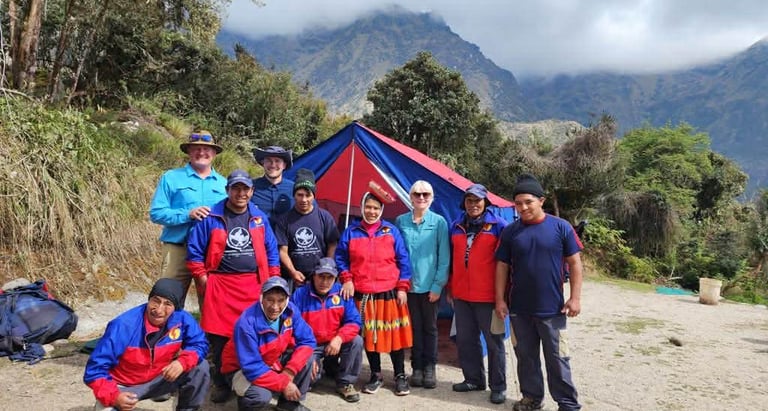

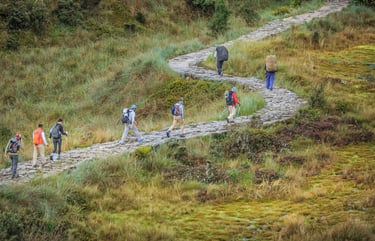
Why Choose Inca Land Adventures?
From the Classic Inca Trail 4‑day private trek to fully customized Luxury Inca Trail tours, we design experiences that match your travel style. Choose from top‑rated private Inca Trail tour operators, a VIP Salkantay Machu Picchu tour, or a Luxury Lares Machu Picchu tour with a private Machu Picchu guide for a premium adventure in Peru.
Our boutique approach allows us to create exclusive Peru birding travel packages, high‑end Peru tours, and tailor‑made custom Peru travel packages that go beyond expectations. Whether you seek Cusco adventure tours, cultural immersion in the Sacred Valley, or complete Peru vacation packages, we ensure responsible tourism, sustainability, and authentic local connections.
With Inca Land Adventures, your journey becomes a life‑changing Andean experience — from ancient ruins to breathtaking landscapes, every step is a discovery.
Best Price Guarantee
At Inca Land Adventures, we combine small-group service with the Best Price Guarantee, offering exceptional value without compromising quality. As one of the best Inca Trail tour operators, we specialize in unforgettable 2 days Inca Trail to Machu Picchu journeys designed for passionate travelers seeking authenticity and comfort.
Choose from the legendary Classic Inca Trail 4 Days 3 nights , an exclusive Luxury Inca Trail Tour 5 days , or a fully customized Private Inca Trail Tours 4 dasy 3 nights . We also offer Salkantay Luxury Machu Picchu hike, complete with a Private Machu Picchu Guided tours for a deeper cultural and historical experience.
Our portfolio includes curated Choquequirao Peru trekking tours, dynamic Cusco adventure tours, and tailor-made Machu Picchu hiking tours crafted for every fitness level. Secure your Inca Trail permits 2026 early and explore with confidence.
For travelers seeking refinement, our Premium Trekking Experience Peru, Boutique Peru Adventure Tours, Redefine comfort in the Andes. From Cusco Exclusive Peru Travel Packages to fully Tailor-Made Peru Tours and VIP Machu Picchu tours, every itinerary is designed around your travel style.
Discover Peru with expert guides, personalized service, and unmatched value — where adventure meets excellence.
Unlock the Secrets of the Inca Trail
Experience the legendary Inca Trail to MachuPicchu 2026 with a team recognized as a best Inca Trail tour operator in Peru. Our expertly crafted Peru trekking tours and Cusco adventure tours combine history, culture, and breathtaking Andean landscapes into one unforgettable journey.
Whether you choose the Classic Inca Trail 4 days, a fully Private Inca Trail tour, or a refined Luxury Inca Trail tour, every step is designed for comfort, safety, and deep cultural insight. We secure your Inca Trail permits 2026, provide a dedicated private Machu Picchu guide, and create seamless Peru travel packages tailored to your goals.
From exclusive Machu Picchu hiking tours to a VIP Machu Picchu tour with premium services, our journeys redefine the premium trekking experience Peru travelers seek. Discover curated Luxury Machu Picchu tours, Fully tailor-made Peru tours crafted for discerning explorers.
Choose boutique-level service, personalized attention, and truly exclusive Peru travel packages — and let your adventure to Machu Picchu become the highlight of your lifetime.
We have been awarded as: TripAdvisor travelers
Choice Awards: 2025

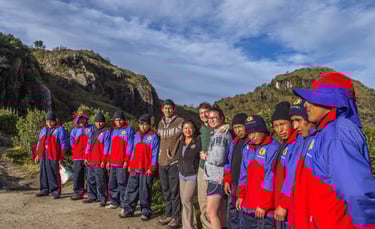
Mission
At Inca Land Adventures, our mission is to create extraordinary journeys for discerning active travelers seeking authentic, high-end experiences in Peru. As the best Inca Trail tour operator, we combine local expertise, boutique hospitality, and personalized service to deliver unforgettable adventures with a strong commitment to social and environmental sustainability.
We specialize in the Inca Trail to Machu Picchu, offering guaranteed departures from Cusco between March 1st and December 31st. Whether you choose the Classic Inca Trail 4 days, a Luxury Inca Trail tour, or a fully private Inca Trail tour, every journey is led by the best local certified guides and supported by seamless, risk-free bookings.
Our portfolio includes Machu Picchu tours, Machu Picchu hiking tours, and premium Peru trekking tours, as well as fully customized Peru travel packages. From VIP Machu Picchu tours and private Machu Picchu guides to exclusive Peru travel packages, we design tailor-made Peru tours for travelers who value comfort, authenticity, and exceptional service.
Secure your Inca Trail permits 2026 today and experience a premium trekking experience in Peru with small groups, great value for money, and unique customized itineraries crafted by local experts.
Our treks and tours
Trips Managed by Local Experts
Easy, Fast, Risk-Free Bookings
Personalized Small Group Tours
Great Value for Money
Unique, Customized Itineraries
Best Local Certified Guides.
We offer guaranteed departures from Cusco several times per week from March 1st through December 31st along with Treks and other services for before and after your MLP journey.
Vision
We would like to inspire transcendental change through adventure travel.
Luxury tours to Machu Picchu
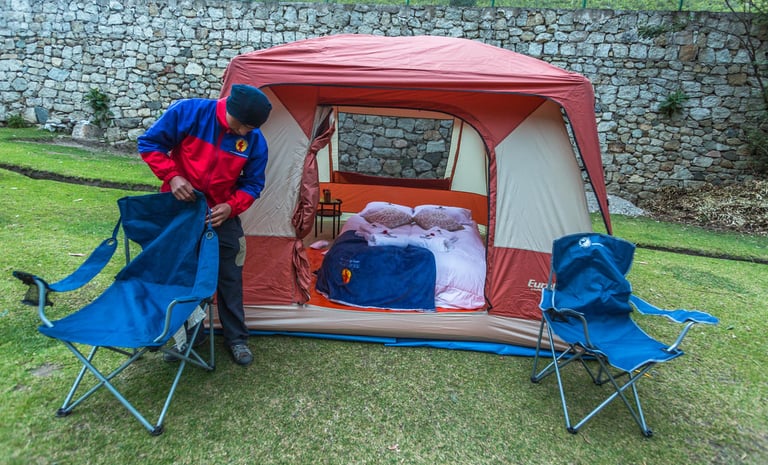
Experience the ultimate luxury journey to Machu Picchu with our exclusive tours designed for travelers seeking comfort, style, and adventure. Our Luxury Machu Picchu tour includes VIP treatment from start to finish, featuring a ride on the iconic Hiram Bingham train, gourmet dining, and luxurious accommodations that redefine travel in Peru. Explore the wonders of the Andes with a Private Machu Picchu guide who brings history and culture to life while ensuring a seamless, personalized experience.
Contact
Reach out for personalized trekking plans
Subscribe to our newsletter
+51 940188346
© 2025. All rights reserved.
+51 940188346