
Exploring Vilcabamba Birding the Cloud Forests and High Andes 6d/5n
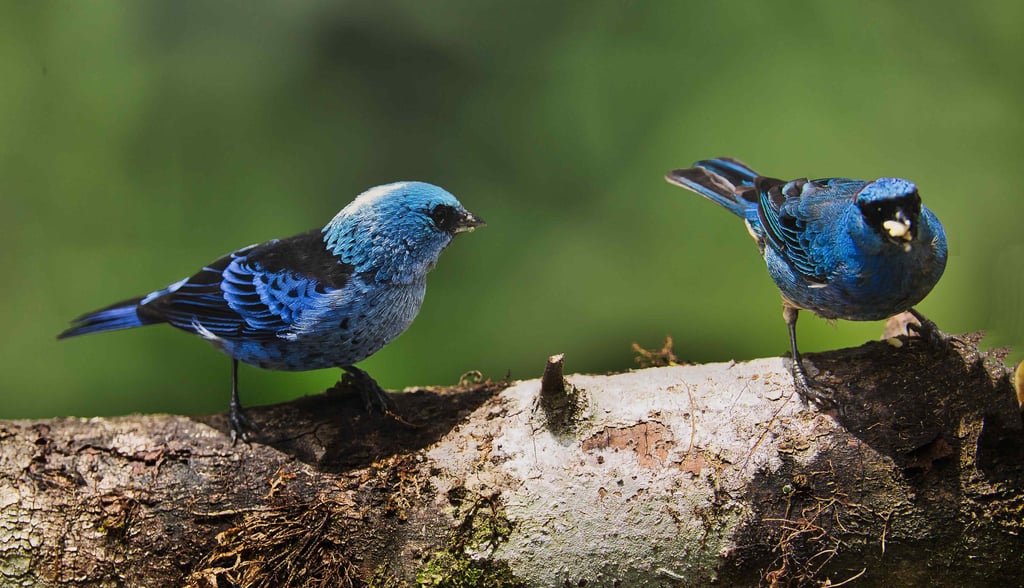
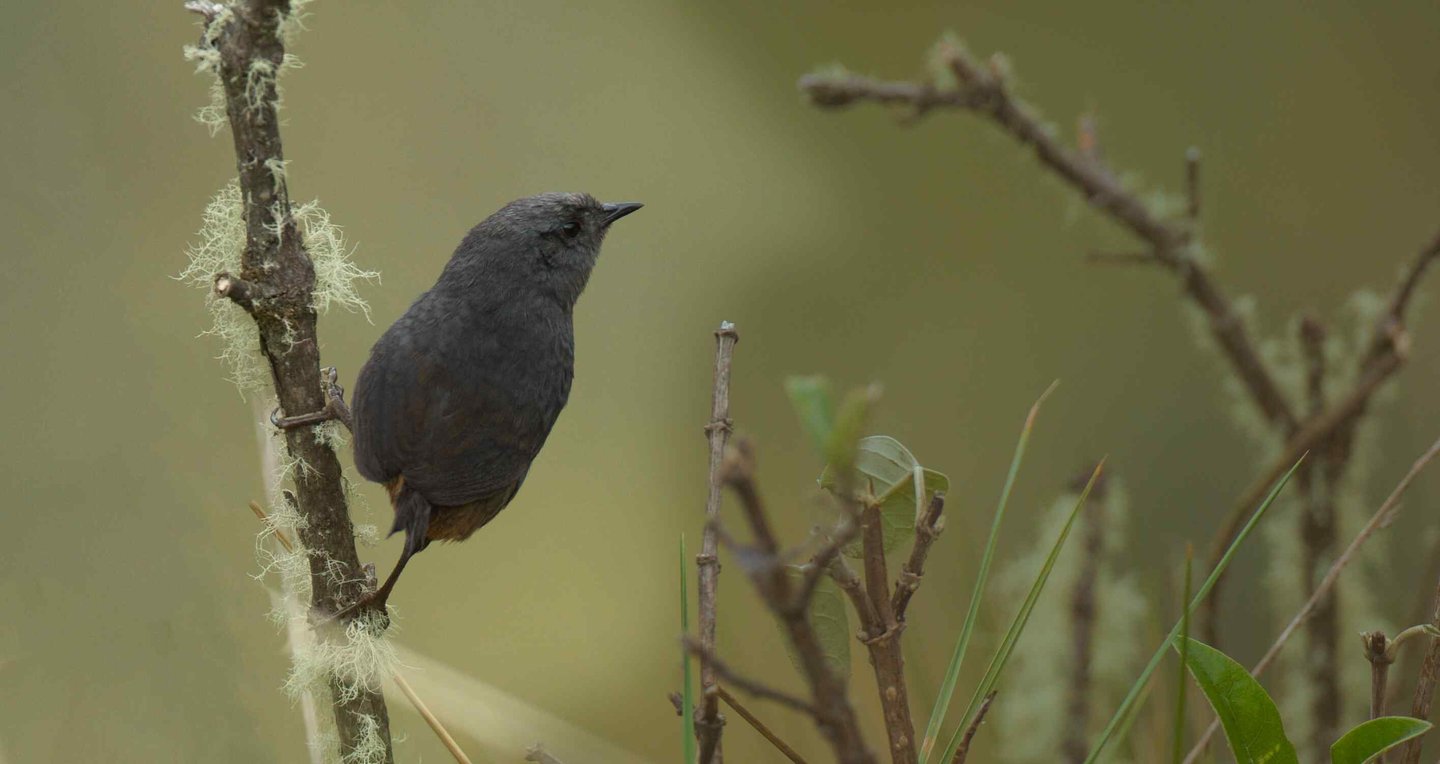
iscover one of Peru’s most secluded and biologically rich regions on our Vilcabamba birding tour, a carefully crafted expedition that spans Vilcabamba cloud forest birdwatching and high Andes birding Peru. This journey takes you deep into the heart of the Polylepis forest birding Vilcabamba and up to Abra Málaga birding Peru, offering access to rare and endemic species found nowhere else. The Vilcabamba Andes bird expedition is a dream trip for passionate birdwatchers. You’ll explore remote mountain trails, elfin forests, and puna grasslands, targeting endemic birds Vilcabamba such as the Vilcabamba Thistletail and the elusive Vilcabamba Spinetail. On this Andean birding Peru Vilcabamba adventure, our expert local guides will lead you through mixed flocks of tanagers, hummingbirds, antpittas, and terra firme species. You’ll walk beneath ancient Polylepis groves, where specialist species survive in this threatened high-altitude habitat. Experience Vilcabamba mountain birding like never before: observe the rare Royal Cinclodes in glacial high puna, listen for cryptic tapaculos, and scan the skies for Andean Condors and mountain hummingbirds.Throughout the trip, get immersed in birdwatching in the Vilcabamba Mountains while enjoying the region’s cultural richness and stunning landscapes. This is not only a birding expedition but also a journey into a wild, little-touristed corner of the Andes — a true Vilcabamba cloud forest birdwatching and Vilcabamba birding tour experience designed for dedicated birders and nature lovers alike.
Day 1.- cusco Sacred valley of the incas:
Arrive in Cusco, and after orientation, begin your Vilcabamba Andes bird expedition by driving through scenic Andean landscapes. As you ascend to high elevations, your guide will lead you through Polylepis and puna habitats, ideal for High Andes birding Peru. Immerse yourself in a nature lover's paradise at Ensifera Camp and Hotel Molino, two of the best-kept secrets of the Sacred Valley. Set against the stunning backdrop of Peru’s highlands, these destinations are a haven for birdwatching enthusiasts seeking rare and endemic species.
Ensifera Camp – A Sanctuary for Nature Lovers
Located in pristine surroundings, Ensifera Camp offers a unique experience in harmony with nature. Named after the Ensifera ensifera—the awe-inspiring Sword-billed Hummingbird—this camp is perfectly situated to observe hummingbirds and other species that thrive in the lush cloud forests and Andean landscapes. Enjoy guided birdwatching walks with expert naturalists who will lead you to discover:
Hotel Molino – Comfort Meets Wildlife Observation
Nestled amidst the greenery of the Sacred Valley, Hotel Molino combines comfort with proximity to nature. From the moment you wake up to the sounds of chirping birds, you’ll find yourself surrounded by biodiversity. Relax in cozy accommodations after a day of exploration, and enjoy:
Private gardens and trails perfect for casual birdwatching
Panoramic views of the valley and its vibrant wildlife
Delicious, locally inspired cuisine made with fresh ingredients
Why Birdwatching in the Sacred Valley?
The Sacred Valley is home to an incredible diversity of bird species, thanks to its varied ecosystems and elevations. From the riverside habitats to the cloud forests, this region is a must-visit for anyone passionate about ornithology and wildlife photography.
Day 2.- Abra Málaga (4,200m): High-Altitude Birding
Pre-dawn, drive to Abra Málaga (~4,200 m), a premier spot for Abra Málaga birding Peru. Explore the high-altitude Polylepis forest, searching for endangered and endemic species such as Royal Cinclodes, Ash-breasted Tit-Tyrant, and White-browed Tit-Spinetail. In the afternoon, descend into cloud forest near Tunquiwasi, where you’ll engage in Vilcabamba cloud forest birdwatching: possible sightings include Marcapata Spinetail and Crested Quetzal.
Overnight in a cloud-forest lodge, listening to the calls of forest birds as dusk falls.The day begins at Abra Málaga, a globally renowned birding destination. Explore the unique Polylepis forests and high-elevation scrub, home to several endangered and endemic species, including:
Royal Cinclodes and Ash-breasted Tit-Tyrants (Polylepis specialists)
White-browed Tit-Spinetail and Stripe-headed Antpitta
The stunning Chestnut-breasted Mountain-Finch
Andean Condors soaring across dramatic skies
Photographers will relish the contrast between majestic birds and sweeping mountain vistas.
Tunquiwasi: Birding in the Cloud Forest
Descending to the lush cloud forests of Tunquiwasi, you’ll enter a completely different ecosystem teeming with life. This area is rich in color, movement, and bird activity, with highlights including:
Crested Quetzals—a jewel of the forest
Golden-collared Tanager and Grass-green Tanager
Mixed flocks of Mountain-Toucans, tanagers, and hummingbirds
The elusive Marcapata Spinetail, a local specialty
The soft light filtering through the forest canopy creates a perfect environment for wildlife photography.
Spend a full day birding in the cloud forest along trails and ridge lines, targeting endemic birds Vilcabamba such as the Vilcabamba Brushfinch. Venture into bamboo thickets and dense understory to locate shy species like antpittas and spinetails. Optionally, visit mixed-species flocks where mountain tanagers, hummingbirds, and flycatchers thrive.
Late afternoon, scan the ridge edges for high-elevation forest specialists. Overnight in the same lodge., you’ll have the chance to observe and photograph some of the region’s most stunning species:
Crested Quetzals—a highlight for any birder
Golden-collared Tanagers and Paradise Tanagers
Masked Trogons perched along shaded branches
Hummingbirds like the Violet-throated Starfrontlet and Booted Racket-tail
Mixed flocks of tanagers, toucanets, and flycatchers
With the guidance of expert birding specialists, every moment in Tunquimayo is an opportunity to discover the incredible avian diversity of the Peruvian cloud forest.
Afternoon: Discover Vilcabamba—The Last Capital of the Incas 🏛️
After a rewarding morning in Tunquimayo, enjoy a scenic drive to the historic Vilcabamba, also known as the Last Capital of the Incas. Hidden deep in the mountains, Vilcabamba was the final stronghold of the Inca resistance against the Spanish conquest. Highlights of your visit include:
Exploring the remnants of ancient Inca structures surrounded by pristine wilderness
Learning the fascinating history of the Inca’s last days, led by expert local guides
Admiring the breathtaking landscapes of the Vilcabamba Valley, rich in natural beauty and cultural significance
This journey blends the thrill of birdwatching with an unforgettable encounter with Peru’s rich history and cultural legacy
Day 3.- Morning: Birding in Tunquimayo
After breakfast, hike upwards into Polylepis woodlands to experience Polylepis forest birding Vilcabamba.
Search for the elusive Vilcabamba Thistletail (Asthenes vilcabambae) in dense, mossy Polylepis groves.
Explore other rare high-Andean birds, such as the Vilcabamba Spinetail, which inhabits undergrowth in Polylepis forest.
Picnic in the forest, then descend in the afternoon to a lodge nestled in the lower mountain zone.
A Journey to Hidden Inca Sites in the Heart of Vilcabamba
Step back in time as you explore two of the most enigmatic Inca sites nestled in the lush, remote landscapes of Vilcabamba: the White Rock (Ñusta Hispana) and Rosaspata. This full-day tour will immerse you in the history, mystery, and grandeur of the last stronghold of the Inca Empire.
The White Rock (Ñusta Hispana)
Begin your adventure at the sacred White Rock, also known as Ñusta Hispana—a site of spiritual and archaeological significance. Carved from a massive natural rock formation, this sacred altar is believed to have been used for rituals and ceremonies during the final days of the Inca resistance.
Highlights of the site include:
The imposing carved rock, featuring intricate channels and altars believed to hold spiritual meaning.
Breathtaking panoramic views of the surrounding cloud forest and mountains.
Insights into Inca spirituality and symbolism, shared by expert guides.
Photographers and history enthusiasts will marvel at the beauty and mystery of this natural stone monument, steeped in legend and cultural significance.
Rosaspata: The Inca Administrative Center
A short trek or drive brings you to Rosaspata, a remarkable archaeological site that served as an important administrative and ceremonial center during the Inca retreat to Vilcabamba. Here, you’ll explore:
Terraces and stone structures that showcase Inca engineering and agricultural practices.
The remnants of Inca dwellings and ceremonial platforms.
Unmatched views of the surrounding Vilcabamba Valley, offering the perfect setting to reflect on the historical importance of this remote stronghold.
Rosaspata’s serene and secluded atmosphere makes it feel like a step back in time, as you walk the same paths once trodden by the last Inca leaders.
Day 4.- A Journey to Hidden Inca Sites in the Heart of Vilcabamba
Day 5.- Birdwatching in Vilcabamba: A Biodiversity Hotspot
Discover a hidden gem of the Andes on our Vilcabamba Mountain birding tour, where rugged mountain landscapes, cloud forest, and Polylepis woodlands converge to support some of Peru’s most rare and range-restricted species. This Vilcabamba cloud forest birdwatching experience immerses you in one of the most exciting birding frontiers in the country.
Your journey begins at Abra Málaga, where high-altitude birding Peru introduces you to the dramatic Polylepis forests that cling to steep slopes. Here, in this special ecosystem, you'll seek elusive species such as the Royal Cinclodes, the Ash-breasted Tit-Tyrant, and other Polylepis specialists — a highlight for those interested in Polylepis forest birding Vilcabamba. As you descend into the montane cloud forest, the landscape transforms into a lush, verdant habitat full of life. In this part of the Vilcabamba Andes bird expedition, listen for the calls of the Vilcabamba Tapaculo , the Vilcabamba Thistletail , and the Vilcabamba Spinetail , among other endemic birds Vilcabamba.
Throughout the trek, your expert local guides will help you navigate and identify a remarkable diversity of Andean species — from hummingbirds and tanagers in the cloud forest to birds of the high puna and Polylepis stands. This is true Andean birding Peru Vilcabamba, a trip designed for birders who want both altitude contrast and deep endemism.
This Vilcabamba mountain birding route offers not only spectacular birding but also unforgettable scenery: panoramic mountain passes, mossy forests, and sweeping vistas. As part of this Andean birding expedition, you’ll be traveling in small groups with a strong emphasis on ecological integrity and photography opportunities.
Whether you're a passionate birder, a nature photographer, or a traveler seeking remote Andean wilderness, this tour combines adventure, endemic-focused birdwatching, and the magical feel of birdwatching in the Vilcabamba Mountains.
Bird Endemism in Vilcabamba
Vilcabamba is celebrated for its remarkable number of endemic and near-endemic bird species. This unique birdlife thrives in its untouched forests, where isolation and diverse microclimates have driven the evolution of specialized species.
Key Endemic Birds Include:
Vilcabamba Brush-Finch (Atlapetes terborghi): A symbol of the region, this elusive finch inhabits dense undergrowth in high-altitude forests.
Cuzco Brush-Finch (Atlapetes canigenis): Another regional treasure, often seen foraging on the forest floor.
Marcapata Spinetail (Cranioleuca marcapatae): A cloud forest specialist known for its cryptic behavior and limited range.
Royal Cinclodes (Cinclodes aricomae): One of the rarest Polylepis forest inhabitants, clinging to survival in this endangered ecosystem.
Ash-breasted Tit-Tyrant (Anairetes alpinus): Found flitting through the gnarled branches of elfin forests. These species, alongside a dazzling array of tanagers, hummingbirds, and antpittas, make Vilcabamba a biodiversity hotspot of global importance.
Day 6.- Birdwatching in the Vilcabamba High Puna.
Rising above the cloud forests, the Vilcabamba High Puna Grasslands and glaciated peaks offer a dramatic and unique birdwatching experience. Located at altitudes exceeding 4,000 meters, this stunning landscape is defined by open grasslands, shimmering lakes, and towering glaciers. The rugged beauty of this high-altitude habitat makes it a must-visit for adventurers, bird enthusiasts, and photographers seeking rare Andean species.
The High Puna Grasslands: Birds of the Heights
The High Puna is a windswept landscape where only the hardiest species survive. Here, vast expanses of grassland intersperse with rocky outcrops and glacial streams, creating ideal conditions for unique Andean birdlife.
Andean Condor (Vultur gryphus): The iconic giant of the Andes, soaring majestically across open skies.
Puna Tinamou (Tinamotis pentlandii): A well-camouflaged species, often seen foraging quietly in the grasslands.
Birdwatching in the Vilcabamba High Puna
Discover the Majestic Heights of the Andes
Rising above the cloud forests, the Vilcabamba High Puna Grasslands and glaciated peaks offer a dramatic and unique birdwatching experience. Located at altitudes exceeding 4,000 meters, this stunning landscape is defined by open grasslands, shimmering lakes, and towering glaciers. The rugged beauty of this high-altitude habitat makes it a must-visit for adventurers, bird enthusiasts, and photographers seeking rare Andean species.
The High Puna Grasslands: Birds of the Heights
The High Puna is a windswept landscape where only the hardiest species survive. Here, vast expanses of grassland intersperse with rocky outcrops and glacial streams, creating ideal conditions for unique Andean birdlife.
Key Species to Observe:
Andean Condor (Vultur gryphus): The iconic giant of the Andes, soaring majestically across open skies.
Andean Flicker (Colaptes rupicola): This large woodpecker thrives in puna habitats, often spotted foraging on open ground.
Gray-breasted Seedsnipe (Thinocorus orbignyianus): Masters of camouflage, blending seamlessly with the rocky terrain.
Diademed Sandpiper-Plover (Phegornis mitchellii): A prized sighting, this delicate and rare bird thrives in boggy puna habitats.
Stripe-headed AntpittaGrallaria andicolus
Vilcabamba TapaculoScytalopus urubambae
Royal CinclodesCinclodes aricomae
Line-fronted CanasteroAsthenes urubambensis
Streak-throated CanasteroAsthenes humilis
Streak-throated CanasteroAsthenes humilis
Cordilleran CanasteroAsthenes modesta
d'Orbigny's Chat-TyrantOchthoeca oenanthoides
Glaciers and Andean Wetlands: A Hidden Oasis
Amid the towering glaciers of Vilcabamba lie pristine high-altitude wetlands, where meltwater creates tranquil lagoons and marshes teeming with life. These glacial-fed ecosystems are critical for waterbirds and migratory species.
Andean Flicker (Colaptes rupicola): This large woodpecker thrives in puna habitats, often spotted foraging on open ground.
The Landscape: A Photographer’s Dream 📸
The stark beauty of the Vilcabamba High Puna and glaciers creates a breathtaking backdrop for bird photography and nature enthusiasts. Highlights include:
Snow-capped glaciers glistening under the Andean sun.
The golden hues of puna grasslands, stretching endlessly into the horizon.
Reflections of high-altitude lagoons, where waterbirds thrive.
Vast skies where Andean Condors soar effortlessly over the peaks.
Possible
It offers a true elevational gradient: from cloud forest to high Polylepis forest to puna, covering the full spectrum of High Andes birding Peru. Focuses on endemic birds Vilcabamba, including some very hard-to-find species like the thistletail and spinetail. Combines remote Andean ridgelines, forest trails, and mountain passes for a full Andean birding Peru Vilcabamba experience. Uses expert guides familiar with Vilcabamba mountain birding and the region’s microhabitats to maximize sightings. Provides an immersive Vilcabamba Andes bird expedition, ideal for birders who want both endemic species and striking Andean scenery.
Why This Tour Is a Birding Highlight
Price:per person 2025
1 person : US$1850.00 per person
2 people : US$1300.00 per person
3 people: US$1250.00 per person
4 people : US$1200.00 per person
5 people : US$1150.00 per person
6 people : US$1100.00 per person
7+ people : US$1050.00 per person
Contact
Reach out for personalized trekking plans
Phone
+51 940188346
© 2025. All rights reserved.
+51 940188346